
Mortgages & selling
Spray foam and your mortgage
Spray foam in a roof can slow down a sale, a remortgage or a purchase. Here's why lenders and surveyors are cautious, what an independent inspection is, and the order of steps that tends to work for sellers and buyers.
Written and reviewed by the Roof Insulation Solutions team. Sources checked 25 November 2026.
Lenders & surveyors
Will lenders accept spray foam insulation?
Some lenders accept spray foam insulation and some don't. Earlier BBC research, reported in November 2024 and highlighted by the HomeOwners Alliance, looked at the 20 largest UK lenders. Trade press reported that five of them would not lend on homes with retrofitted spray foam, and the HomeOwners Alliance describes the same research as showing only 25% of lenders would lend. No equity release providers would lend. Many large lenders, including Lloyds, Nationwide and Barclays, assess each property individually.
In short: expect questions rather than an automatic no.
Lenders rely on a valuer to confirm the roof is sound. When foam covers the timbers, the valuer often can't see enough to do that, so the lender may ask for a specialist report, more evidence or, in some cases, decline.
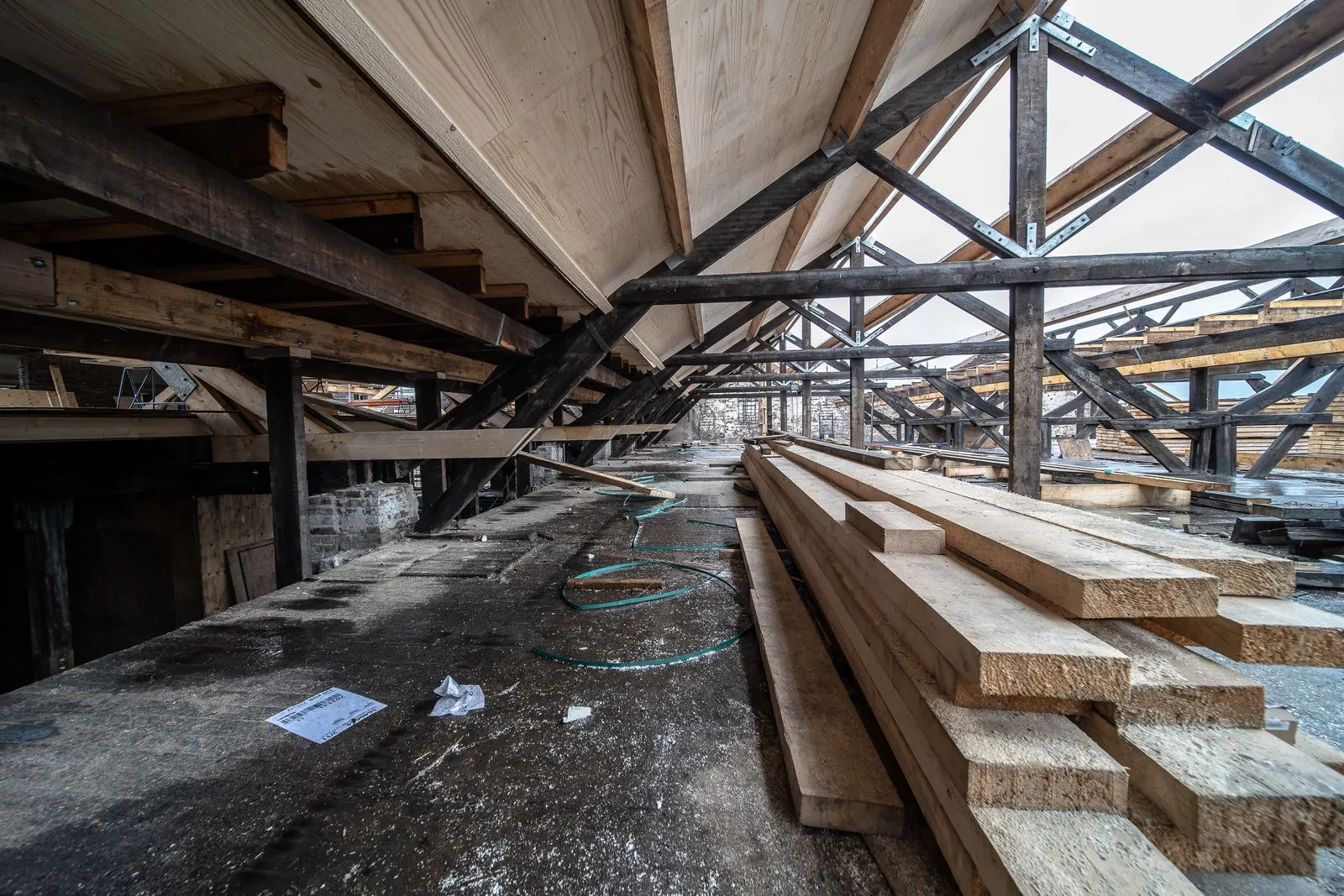
The timbers can't be seen
- Rafters hidden under foam
- Leaks hard to spot
- Valuer can't confirm condition
The Property Care Association says spray foam "completely obscures the underlying roof structure", which makes it hard for surveyors to check the timber and spot leaks. Which? (October 2026) adds that a surveyor who finds it may reduce the valuation or ask for a specialist report.

Moisture risk
- Condensation
- Damp in the timbers
- Uncertain installation quality
The concern is moisture getting trapped against the timbers. The RICS consumer guide (RICS, March 2023) calls spray foam "a serious modification" and covers condensation and damp. Lenders want certainty: in a December 2023 industry roundtable, Nationwide said lenders need "certainty that what we were lending on was fit for purpose".
Policies vary
- Case by case
- Reports and warranties
- Equity release is harder
The 25% figure is reported two ways. It comes from BBC research reported in November 2024, quoted by the HomeOwners Alliance. The HomeOwners Alliance says only 25% of lenders would lend, while Mortgage Solutions (February 2025) says five of the 20 largest lenders would not. Either way, treat it as a snapshot from that time. Lenders asked by Homebuilding & Renovating in February 2025 described case-by-case decisions, with HSBC asking for a specialist report in line with PCA protocols plus a warranty. Policies change, so check the current position.
Inspections
What is a spray foam survey or inspection?
A spray foam survey or inspection is an assessment of the foam and the roof by a surveyor who isn't selling you removal. The aim is a written report on the type of foam, how it was installed and the condition of the roof, which you can show a lender, buyer or their surveyor.
The PCA set up inspection protocols for valuation surveyors through an industry working group, and runs a register of spray foam assessors who are vetted and audited (PCA homeowner guidance). Its assessor membership requires relevant surveying experience or qualifications, professional indemnity insurance and a PCA course on evaluating spray foam in domestic roofs.
The RICS guide recommends independent advice from someone such as an RICS member who is independent of the installer and manufacturer (RICS Built Environment Journal, March 2023). Cornwall Council Trading Standards (November 2026) advises asking for "a written report explaining the condition of your roof and insulation".
- Use a surveyor with spray foam experience who has no stake in removal work
- The PCA's online register lists vetted spray foam assessors
- Ask for the findings in writing, with photos where possible
- Ask your lender or broker which report they will accept before you book
Be wary of cold callers
In July 2026 the PCA warned that people were posing as surveyors with fake ID carrying its logo (The Intermediary, 29 July 2026). The PCA had already warned about removal scammers in June 2025. Check any assessor on the PCA register yourself, and see our guide to spotting a spray foam removal scam.
Selling & remortgaging
Can I sell a house with spray foam insulation?
Yes, homes with spray foam insulation do sell, but it can take longer and the buyer's lender will have its own view. Getting the facts in order before you list, or before a remortgage or equity release application, gives you more control. Do things in this order.
- Step 01
Speak to a broker or lender
Ask what they will need to see. Trading Standards advises contacting your lender early to check what information they require.
- Step 02
Get an independent assessment
A written report from an experienced, independent surveyor tells you whether removal is actually needed.
- Step 03
Get written quotes
If removal is recommended, compare quotes and ask what records you'll get afterwards. See our spray foam removal cost guide.
- Step 04
Keep every document
Reports, photos, invoices and any installer paperwork all help when a buyer's surveyor or lender asks questions.

After removal
Is there a spray foam removal certificate?
There is no single official spray foam removal certificate. Removal firms issue their own paperwork, and what's included varies from one company to the next. In August 2026 the PCA described the removal market as "currently unregulated" and began consulting on a membership standard for removal contractors.
The PCA announced plans to "establish a dedicated membership sector for spray foam removal contractors" on 25 August 2026, and the "currently unregulated" comment was reported by Mortgage Solutions (27 August 2026). Until a recognised standard exists, ask your lender or the buyer's surveyor what evidence they want before work starts. Useful records usually cover what was removed, how, photos before and after, and the condition of the timbers once they can be seen.
Removal is also no guarantee. Trading Standards says it "is not always necessary and does not guarantee mortgage approval", and Propertymark (February 2024) noted that some lenders still refuse after removal because they think "the damage may well already be done".
- We explain what we find in your loft before anything is agreed
- We remove foam carefully to limit further damage
- We provide photos and a record of the work
Buying
Buying a house with spray foam insulation
If your survey or valuation flags spray foam on a house you're buying, you have time to act before exchange. Ask the seller for paperwork, speak to your broker about which lenders will consider it, arrange a specialist inspection with the seller's permission, and use what you learn to decide whether to renegotiate or walk away.
Ask the seller first
SAM Conveyancing (September 2025) suggests requesting the original installation certificates and any warranties. A specialist check may need to be invasive, which needs the seller's agreement. Ask too for any inspection report or removal record. The HomeOwners Alliance notes the "vast majority" of owners don't have the right paperwork, so be prepared for gaps.
Talk to your broker
Lenders differ, and a broker can tell you which ones will consider the property and what they'll ask for. Even with a specialist report, some lenders may still say no. Nobody can promise you a lending decision in advance.
Negotiate or retain
If the valuation comes in low, the HomeOwners Alliance (November 2026) says negotiating with the seller "should be your first step", and trying another lender is an option. A lender may also make a retention, holding back part of the loan until work is done (Finder, 2024). Quotes for the work help in both cases.
FAQs
Mortgage and sale questions
Answers based on the sources linked above. For anything about your own loan, check with your lender or broker.
Selling or remortgaging?
Tell us where you are in the process and we'll explain what we'd look at.
Get adviceBuying instead? Ask about a home you're buying.
Does spray foam affect house value?
It can. Which? says a surveyor who finds spray foam may reduce the value of the property or ask for a specialist report. How much depends on the property, the installation and the buyer's lender.
Does spray foam affect home insurance as well as a mortgage?
It can. RICS advises checking with your insurer before spray foam is installed, and some insurers ask about it. Lenders also expect buildings insurance to be in place, so the two often come up together. Our guide to spray foam and home insurance covers what to disclose and what to do if cover is refused.
Will removing spray foam guarantee my mortgage?
No. Every lender makes its own decision, and Trading Standards says removal does not guarantee mortgage approval. A clear record of careful removal and the condition of the roof puts you in a better position to answer questions.
Do I have to remove spray foam before selling?
Not always. Some installations don't need removing. Speak to your broker or lender and get an independent assessment first, so any decision is based on your roof rather than a sales pitch.
Can I get equity release with spray foam?
It is harder. BBC research reported in November 2024, and quoted by the HomeOwners Alliance, found no equity release providers would lend where spray foam had been retrofitted. Ask an adviser for the current position before deciding on removal.
Is a spray foam removal certificate official?
There's no single official certificate. Each removal firm provides its own paperwork, and the PCA has described the removal market as currently unregulated. Ask your lender what evidence they need before work begins.
Should I pull out of buying a house with spray foam?
Not automatically. Find out what's there, whether your lender will consider it and what any work would cost. Then decide whether to proceed, renegotiate or walk away.
Can I remove the spray foam myself before selling?
You can, but ask your lender or the buyer's surveyor first what evidence of the work they will want, because a lender relies on a record of what was removed and the condition of the roof afterwards. Our guide to removing spray foam yourself covers the risks and the waste rules.
What will you give me after removal?
Photos and a record of the work. We explain what we find before anything is agreed. You can read more in our questions to ask any removal company.